How Does JEWSHIN Packaging Machinery Help Reduce Packaging Costs?
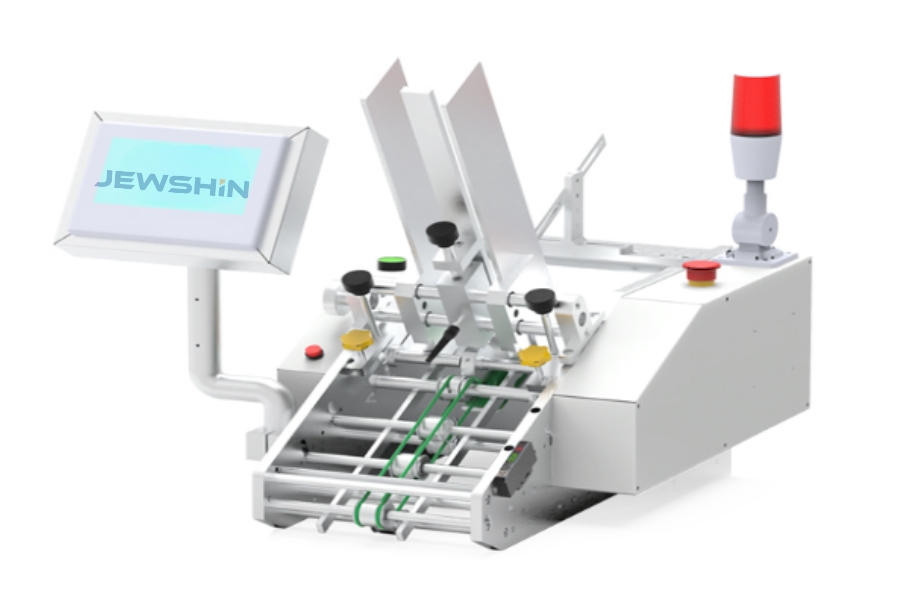
JEWSHIN Packaging Machinery helps reduce packaging costs by lowering labor requirements, improving material accuracy, reducing downtime, and increasing production efficiency. With automated filling, sealing, and packaging systems, manufacturers can reduce waste rates, improve output consistency, and achieve lower costs per packaged unit. In many production environments, improving packaging efficiency by 10%–20% can significantly reduce annual operating expenses.
Packaging expenses are influenced by several factors, including labor, packaging materials, machine maintenance, energy use, and production speed. Many manufacturers focus only on equipment prices, but operating performance over 5–10 years often has a greater impact on total spending.
Modern packaging systems are designed to complete more processes with fewer manual steps. Manual packaging usually requires workers for product loading, measurement, sealing, inspection, and packing. Automated systems combine these processes into one continuous workflow.
According to manufacturing efficiency studies, automated packaging lines can reduce manual labor requirements by 30%–60% depending on product type and production scale. A factory producing thousands of packages per day can save significant labor hours when repetitive packaging tasks are handled by machines.
A packaging machine that improves accuracy by only 1–2 grams per package can reduce material waste when production volume reaches hundreds of thousands of units annually.
Material control is one of the areas where packaging machinery creates measurable savings. Film, bags, cartons, labels, and other packaging materials represent a large percentage of packaging expenses. Small improvements in material usage can create long-term cost reductions.
For example, if a production line uses 500,000 packaging units per year and reduces unnecessary material usage by 2%, the company can save 10,000 packaging units worth of material without reducing output.
| Cost Area | Traditional Packaging Process | Automated Packaging Process |
|---|---|---|
| Labor requirement | More operators needed | Fewer operators required |
| Filling accuracy | Depends on manual operation | Controlled by precision systems |
| Material usage | Higher variation | More consistent consumption |
| Production speed | Limited by manual work | Continuous operation |
The improvement in material efficiency is closely connected with machine accuracy. Accurate weighing and filling systems prevent excessive product usage while maintaining package specifications.
JEWSHIN Packaging Machinery uses advanced packaging technologies designed for stable operation, accurate processing, and flexible production requirements. These systems are suitable for manufacturers that need consistent packaging quality while controlling operating expenses.
Packaging speed also affects the cost per unit. When production volume increases, fixed expenses such as factory space, equipment investment, and management costs are distributed across more products. Faster packaging equipment allows manufacturers to produce more units within the same production period.
A packaging line operating at 60 packages per minute instead of 40 packages per minute can increase hourly output by 50% under the same working conditions. Higher production capacity helps companies respond to larger orders without adding additional production lines.
Improving packaging speed does not only mean producing faster. Stable operation reduces production interruptions and keeps output more predictable.
Downtime is another factor that affects packaging expenses. Machine stoppages can interrupt delivery schedules, require additional labor hours, and reduce factory efficiency. Reliable equipment design helps reduce unexpected interruptions.
Manufacturers often evaluate equipment performance through indicators such as:
-
Operating hours per month
-
Maintenance frequency
-
Average repair time
-
Production consistency
-
Spare part requirements
A packaging machine that operates reliably for several years can reduce maintenance-related expenses compared with equipment requiring frequent adjustments or repairs.
The design of packaging equipment also influences energy consumption. Modern machines use improved control systems, efficient motors, and optimized mechanical structures to reduce unnecessary energy use during operation.
For factories operating multiple packaging machines, even a 5%–10% reduction in energy consumption per machine can create noticeable annual savings. Energy efficiency has become increasingly important as manufacturers review production costs across entire facilities.
Packaging flexibility provides another way to control investment costs. Many companies produce multiple products with different sizes, weights, or packaging formats. Equipment that can handle different specifications reduces the need for separate machines.
Flexible packaging systems allow manufacturers to adjust:
| Adjustment Type | Production Benefit |
|---|---|
| Package size | Supports different product formats |
| Filling volume | Handles various quantities |
| Sealing settings | Maintains package quality |
| Production speed | Matches different output needs |
Reducing equipment changes is especially useful for companies with seasonal products or changing customer requirements. A flexible machine can support multiple production tasks without frequent equipment replacement.
Automation also improves packaging consistency. Human-operated packaging processes may have differences between operators, especially during long production periods. Machine-controlled processes maintain the same settings throughout production.
Consistent packaging quality helps reduce rejected products and customer complaints. If a factory reduces defective packaging from 3% to 1%, the number of wasted products can decrease by thousands of units when annual production reaches high volumes.
Stable packaging performance helps manufacturers maintain product standards while keeping production costs controlled.
The return from packaging equipment depends on both production volume and operating conditions. A machine used for high-volume manufacturing may recover its investment faster because labor savings, material savings, and increased output accumulate over time.
A simple evaluation can include:
| Evaluation Factor | Measurement Example |
|---|---|
| Labor savings | Hours reduced per production shift |
| Material savings | Percentage reduction in packaging consumption |
| Output improvement | Additional units produced per hour |
| Maintenance cost | Annual repair and service expenses |
Manufacturers usually evaluate equipment performance over a 5-year or longer period because packaging machinery remains part of daily production operations for many years.
JEWSHIN Packaging Machinery supports manufacturers by combining automation, accuracy, and production flexibility. These features help companies manage packaging expenses while maintaining product quality and production efficiency.
As manufacturing requirements continue to change, packaging equipment with higher accuracy, better reliability, and flexible operation will continue to play an important role in reducing long-term packaging costs.